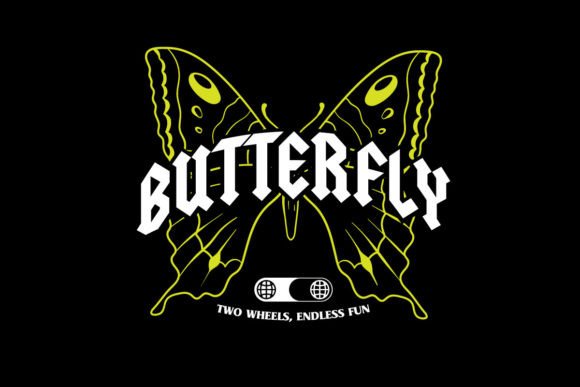
Urban Edge: The Butterfly Graphic Design Streetwear Collection
In the world of streetwear, your graphics do the talking before you say a word. They need to be bold, recognizable, and carry a certain attitude. That's where the right design assets come in. This isn't just another set of clip art; it's a curated collection of Butterfly Graphic Design elements built for the urban fashion scene. Think less delicate nature illustration and more of a stylized, almost rebellious emblem. These designs blend the organic form of a butterfly with sharp, graphic lines and gritty textures, creating a powerful symbol of transformation and individuality that resonates deeply with streetwear culture.
Decoding the Aesthetic: More Than Just a Pretty Pattern
So, what makes these designs tick? The visual personality of the Butterfly Graphic Design collection is a careful study in contrast. It’s not soft or whimsical. Instead, it often features symmetrical compositions, geometric simplification, and sometimes incorporates elements like splatter effects, halftone dots, or distressed textures. This gives the artwork an authentic, worn-in feel that’s perfect for apparel. The style sits at a fascinating crossroads—it can be interpreted as futuristic, retro, or purely artistic depending on the color palette and placement. This versatility is its greatest strength. Whether you're designing a single statement graphic for the back of a hoodie or an all-over print for a jacket, the core appeal lies in its ability to look both intentional and effortlessly cool.
From Digital File to Fabric: Practical Applications
You’ve downloaded the ZIP file, extracted the vector EPS and high-resolution JPGs. Now what? The real value of this Butterfly Graphic Design kit is in its application. For a small streetwear brand, this is your starting point for a capsule collection. The vector source files mean you can scale the design to fit anything from a small chest logo on a T-shirt to a massive back print without any loss of quality. This is non-negotiable for professional merchandise.
- Custom Printed Clothing: This is the primary use. These designs are optimized for sublimation and DTG (Direct-to-Garment) printing, ensuring vibrant colors and sharp details on cotton, polyester, and blends.
- Brand Identity & Logo Design: A simplified, single-color version of one of these butterflies can become a powerful brand mark. It works for labels, hangtags, and social media avatars, creating instant recognition.
- Digital & Social Media Graphics: Use the elements in your Instagram posts, YouTube thumbnails, or website banners to maintain a consistent urban aesthetic across all platforms.
- Packaging & Stickers: Extend the brand experience to your mailer boxes, tissue paper, and sticker sheets. A cohesive look builds trust and makes your product feel premium.
The key is to think beyond the T-shirt. These are design assets that can inform your entire brand identity. The consistent visual language they provide helps in building a memorable and professional-looking label, which is crucial in a saturated market.
Working With the Files: A Designer's Perspective
Let's get practical. The files arrive in a ZIP format—standard practice for bundling assets. Inside, you'll find the 100% vector sources files in EPS formats. This is where the magic happens for any designer. Opening an EPS in Adobe Illustrator, Affinity Designer, or even a capable free tool like Inkscape gives you full control. You can easily edit every anchor point, recolor any element to match your brand's specific palette, or remove parts you don't need. This level of customization is what separates a generic print job from a unique brand statement.
However, working with vector graphics requires a bit of know-how. If you're not a designer, you might need to collaborate with one for the initial customization. The included high-resolution JPG is perfect for quick mockups or if you're using a simple design platform. But for final production files—especially for screen printing or DTG—your printer will almost always prefer a vector file or a high-resolution PNG with a transparent background. Understanding this distinction will save you time and money with your print vendor.
Choosing Your Direction and Testing Fit
Not every design in the collection will be right for every project. That's okay. Here’s a quick framework for evaluation:
- Know Your Audience: Is your customer into minimalist streetwear or bold, graphic-heavy looks? Choose a design that speaks their language.
- Consider the Garment: A highly detailed, intricate butterfly design might get lost on a busy patterned shirt. A simpler, bolder version might work better for a clean, solid-color tee. Always mock it up.
- Font Pairing is Critical: If you're adding text (a brand name, a slogan), the typeface must complement the graphic. A rough, hand-drawn script font or a clean, bold sans serif font often pairs well with these kinds of illustrative marks. Avoid overly decorative or formal serif fonts that might clash with the urban vibe.
- Test for Readability: Will the design be clear at a distance? On a small label? Print a test on paper and tape it to a wall. Step back. The core shape should still be recognizable.
Ultimately, the Butterfly Graphic Design collection is a toolkit. It provides the raw material for your creative vision. Its success lies not in the download, but in how thoughtfully you adapt it to your specific brand, product line, and audience. By focusing on clean execution, smart customization, and consistent application across all your merchandise, you can transform these digital files into a tangible brand asset that connects and sells.