Decoding the Graphic Designer Nutrition Facts Font
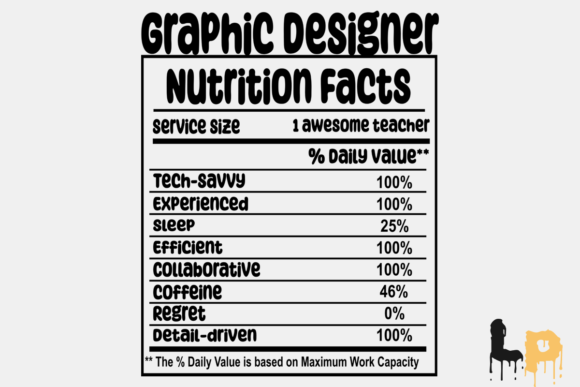
As designers, we often get caught up in the technical specs of a project—pixel dimensions, color codes, and file formats. But we rarely stop to analyze the "nutritional value" of the assets we consume and create. Enter the Graphic Designer Nutrition Facts typeface. This isn't just a font; it’s a thematic asset that plays on the ubiquitous look of FDA-mandated labels, reimagined for the creative industry. Visually, it mimics the stark, utilitarian aesthetic of the Helvetica-dominated labels found on food packaging, but repurposes that structure for typography and design contexts.
The personality of this font is distinctively ironic and self-aware. It relies on a sans serif font structure—likely inspired by Franklin Gothic or similar industrial typefaces—to deliver that authoritative, "official" look. However, the application is entirely creative. It transforms the mundane act of reading a label into a moment of recognition for anyone in the graphic design world. The appeal lies in its specificity; it doesn't try to be a universal workhorse like Roboto or Open Sans. Instead, it serves as a display font with a very specific sense of humor and context. It’s clean, high-contrast, and structured, making it an excellent choice for logo design where you need immediate visual impact paired with a clever concept.
Practical Applications for Modern Creators
While the concept is niche, the utility of the Graphic Designer Nutrition Facts design is surprisingly broad, particularly for personal and commercial projects. Because this is a digital product delivered as SVG and PNG files, it is optimized for modern making. If you are running a small business selling merchandise, this design is prime real estate. It works exceptionally well for T-shirt printing and tote bag printing. The visual language of a nutrition label is instantly recognizable, which aids in brand recognition and audience engagement.
For sticker printing and mug printing, the design’s high-contrast nature ensures it remains legible on curved surfaces and small formats. The included 300 dpi PNG file ensures that the print quality remains crisp, preventing the pixelation that often plagues lower-resolution digital assets. Furthermore, the SVG file is a game-changer for those using Cricut or Silhouette machines. The vector format allows for infinite scaling without loss of quality, ensuring clean cuts every time, whether you are creating vinyl decals or heat transfers.
Strategic Branding and Visual Hierarchy
Using the Graphic Designer Nutrition Facts asset effectively requires a strategic approach to visual hierarchy. Because the design mimics a specific structural format, it naturally guides the viewer's eye from top to bottom. This makes it a powerful tool for editorial design or social media graphics where you need to break down complex information—like a "recipe" for a successful design project—into digestible chunks.
In terms of brand identity, incorporating this style signals that your brand is "in on the joke." It humanizes a business, making it particularly effective for agencies, freelancer portfolios, or creative blogs. It suggests that your brand values transparency—much like a nutrition label—showing clients exactly what goes into your work. However, readability is key. While the graphic design aesthetic is strong, ensure that the actual text content within the "label" is legible at the intended viewing distance. The modern typography style works best when there is ample white space surrounding it, allowing the structured layout to breathe.
Integration and File Management
From a technical standpoint, managing these design assets is straightforward. Since this is an instant download, you can integrate it into your workflow immediately. When working with the SVG, you can easily manipulate the colors to match a specific client palette in vector software like Illustrator or Affinity Designer before sending it to your cutting machine. The PNG is best used for direct-to-garment printing or digital mockups.
One important consideration for commercial use is context. While the design is versatile, it carries a very specific theme. It is best suited for projects targeting other creatives, marketers, bloggers, and content creators who will appreciate the reference. Using it for a corporate banking report might cause confusion, but using it for a web design conference t-shirt? Perfect. Always evaluate the audience's familiarity with design culture to ensure the "joke" lands effectively. By treating this asset as a specialized tool rather than a generic font, you can maximize its impact and create memorable, engaging content that stands out in a crowded market.