California Streetwear Graphic Design: More Than Just a T-Shirt
Let's cut through the noise. When we talk about US California streetwear graphic design, we're not just talking about a cool image slapped on a hoodie. We're talking about a visual language, a cultural shorthand that screams West Coast attitude without saying a word. It's the gritty texture of a sun-bleached palm tree, the distorted scan of a vintage VHS tape, the bold, unapologetic typography of a skate brand logo. This style is built on a foundation of rebellion, music, and the endless summer, but it’s also a serious tool for anyone looking to build a brand with authentic edge.
The Anatomy of the West Coast Vibe
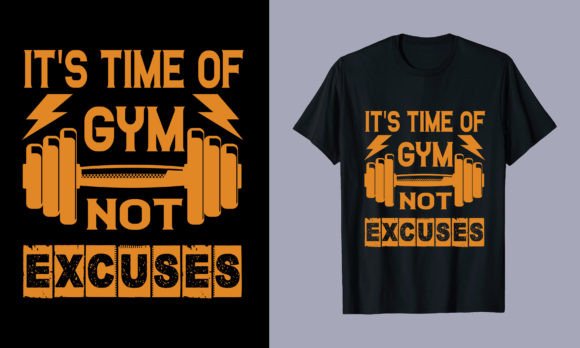
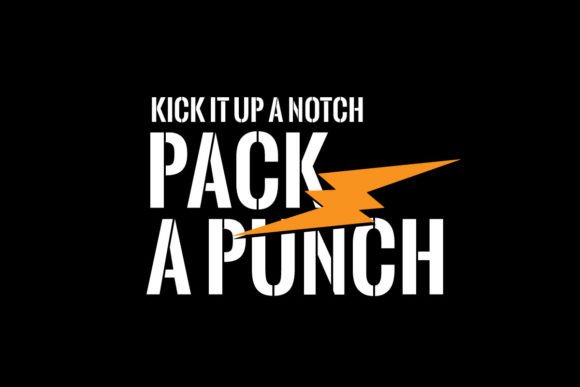
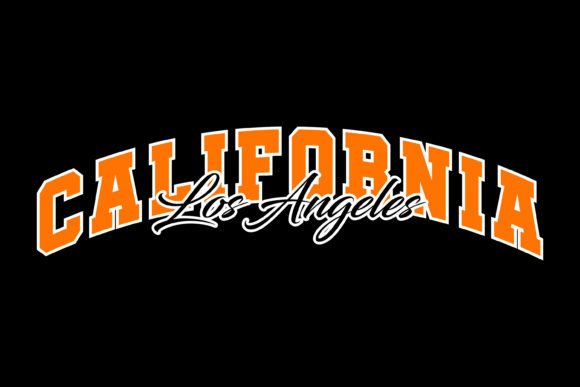
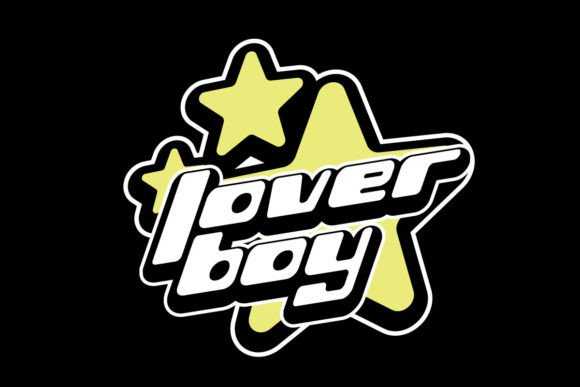
So, what actually defines this aesthetic? It’s a potent mix of several key elements. First, there’s the typography. Forget clean, corporate sans serifs. Think bold, condensed, often distressed display fonts that look like they’ve been screen-printed a thousand times. The letterforms themselves carry weight and history. Then comes the imagery—a collage of cultural touchstones. You’ll find stylized roses next to geometric patterns, fierce animals intertwined with graffiti-style tags, and all of it filtered through a lens of nostalgic Americana.
The color palette is another dead giveaway. While it can range from stark black and white to psychedelic neons, the most common threads are earthy tones—think burnt orange, forest green, and sand—popped with a vibrant red or electric blue. It’s a palette that feels both grounded and explosive. The overall personality is confident, a little rough around the edges, and deeply authentic. It doesn’t ask for permission; it makes a statement. This is the core of effective streetwear graphic design, where every element works together to tell a cohesive story.
Putting It to Work: Beyond the T-Shirt
The real power of a premium font or graphic set in this style is its versatility. Of course, it’s perfect for t-shirt graphic design and apparel. The included high-resolution JPG and PNG files with transparent backgrounds are ready for sublimation printing, making your merchandise look sharp and professional. But stopping there would be selling it short.
Consider these applications:
- Brand Identity & Logo Design: A gritty, hand-drawn script font or a bold, condensed typeface can form the backbone of a logo for a streetwear label, a skate shop, a craft brewery, or a music studio. It instantly communicates a specific vibe.
- Digital & Social Media: Use these design assets to create scroll-stopping Instagram posts, YouTube thumbnails, or website banners. The high-energy graphics are built for engagement in fast-paced digital spaces.
- Packaging & Editorial Design: Apply the style to product packaging for everything from coffee bags to vinyl record sleeves. In editorial design, these elements can break up a layout and add a layer of cultural commentary to a magazine or lookbook.
- Physical Products & Events: Think stickers, posters, event flyers, and even custom merchandise for bands or festivals. The vector shapes in EPS and AI formats ensure your designs scale perfectly from a tiny label to a massive banner without losing quality.
Making It Work for Your Project
Integrating a strong visual style like this requires a bit of strategy. Here’s some practical guidance from the design trenches:
Evaluate the Fit First. Ask yourself: Does my project need to feel rebellious, nostalgic, or culturally connected? If you're designing for a law firm or a luxury spa, this probably isn't your tool. But if you're targeting a younger, style-conscious audience that values authenticity, you're on the right track. The personality of the graphics must align with your brand's voice.
Master the Art of Pairing. A powerful display font needs a calm partner. Pair a bold, distressed headline font with a clean, simple sans serif font for body text. This creates a clear visual hierarchy and ensures readability. Don’t let the style overwhelm your message; let it frame it.
Leverage the Files You Get. You’re getting more than just a picture. The EPS and AI vector files are your best friend. They are fully editable, meaning you can change colors, modify shapes, and tweak elements to fit your exact color scheme. This level of control is crucial for maintaining brand consistency across all your materials. The 300 dpi JPG and PNG files are your print-ready workhorses.
Readability is Non-Negotiable. Even the coolest design fails if people can’t read it. Test your text at small sizes. Does that intricate script font still work for a phone number on a business card? Sometimes, you need to simplify. The goal is recognition, not confusion.
Think in Systems, Not One-Offs. The most successful brands using this aesthetic treat it as a system. They develop a consistent set of colors, a primary and secondary font, and a library of recurring graphic motifs. This builds brand recognition over time. When a customer sees that specific shade of green and that gritty texture, they know it’s you before they even see the logo.
Ultimately, US California streetwear graphic design is a toolkit for building a vibe. It’s for the designer who wants to inject raw energy into a project, the entrepreneur building a brand from the ground up, and the content creator looking for visuals that resonate on a gut level. It’s not about following trends; it’s about tapping into a timeless visual dialect that continues to shape culture. Use it with intention, pair it wisely, and let it amplify the story you’re already trying to tell.